







Search Results for: Milk Ratio

Coffee to Milk Ratio | How does the coffee-to-milk ratio in a latte affect the taste? What's a suitable coffee-to-milk ratio for making a latte at home?
Front Street bets that among all the coffee drinks coffee machine owners make at home, milk coffee must be at the top, and among them, the latte is the undisputed "face" that everyone favors. Because of this, Front Street constantly receives many questions about making lattes at home, such as "what milk is best" and "how [more…]
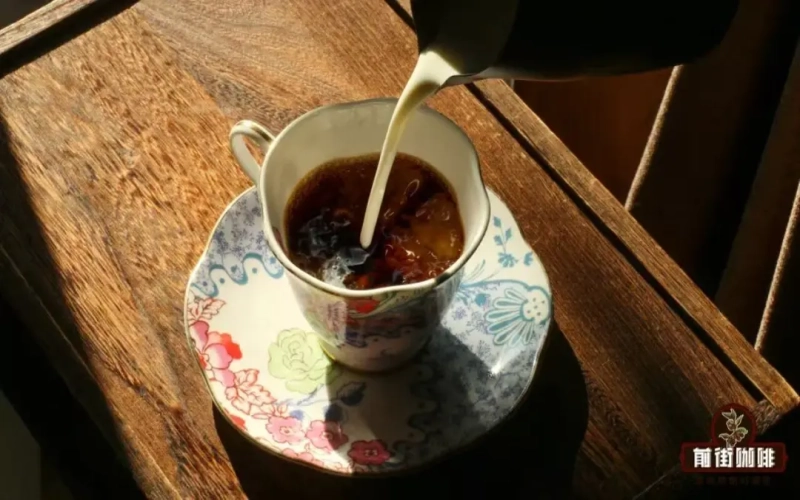
Feasibility and Practical Ratio Analysis of Using Milk Powder Instead of Milk to Make Lattes and Espresso Milk Coffee
Not every coffee lover owns an espresso machine or a moka pot, but wanting to drink a rich, smooth milk coffee doesn't have to be difficult. This article centers on the common question "Can milk powder be used instead of milk to make a latte," and, drawing on Front Street Coffee's practical experience, systematically sorts out the key operating points, ratio suggestions, and precautions for using milk powder in two scenarios: low-concentration black coffee brewed by pour-over and espresso. The article not only explains the principle of reconstituting milk powder into milk, but also gives specific references for powder amount, water temperature, and ratio, and recommends the Front Street Boundary Estate · Sidra coffee beans suitable for making milk coffee. Whether you want to simply experience the fun of using milk powder to make milk coffee, or try using milk powder to steam milk foam for latte art, you can find an executable solution here. [more…]

What Milk Should You Choose for Brewing Coffee? Whole Milk vs. Skim Milk—Which Pairs Better with Coffee?
The pairing of coffee and milk is a classic choice for many enthusiasts in their daily drinking. Milk can soften the bitterness while preserving the coffee's aroma, making the entire cup more drinkable. However, different coffee types have different requirements for milk: espresso needs a stronger base to support the milk flavor, while pour-over coffee, being lighter in nature, requires more caution when adding milk. This article discusses the principles of pairing coffee with milk, the coffee-to-milk ratio for latte, whether pour-over coffee is suitable for adding milk, and the difference between fresh milk and pure milk, and shares Front Street Coffee's practical experience in latte ratio adjustment, helping readers find a milk coffee solution that suits them. [more…]

Espresso Milk Beverage Brewing Guide: A Detailed Explanation of Coffee-to-Milk Ratios for Lattes, Cappuccinos, Flat Whites, and Dirty Coffee
To craft a satisfying milk-based espresso drink, the ratio of coffee to milk is the core element. The reason different milk coffees can become independent categories is precisely because each has its own unique flavor expression. This article will use Front Street Coffee's output parameters as a reference to analyze one by one the blending logic of four classic milk coffees—latte, cappuccino, Dirty, and flat white—explaining the appropriate ratio of espresso to milk in each drink, as well as the taste characteristics corresponding to these ratios. It should be noted that specific parameters will vary depending on the beans and milk, and the key lies in understanding the pairing approach rather than mechanically copying the numbers. [more…]

Analysis of the Milk-to-Espresso Ratio in Latte and a Detailed Guide to the Making Process
Latte coffee may seem like it just requires mixing coffee and milk, but to make a cup of latte with balanced taste and outstanding flavor, several key steps still need to be mastered. From the extraction quality of espresso, to the flexible adjustment of the amount of milk added, to the fineness of the milk foam and the blending technique of coffee and milk, every step affects the performance of the final product. This article will break down these steps one by one, explain the common ratio ranges of espresso to milk and their influencing factors, introduce Front Street Coffee's experience of using Warm Sun Blend to make lattes at a 1:6 ratio, and share how to judge whether the milk foam is qualified and how to achieve even blending by stirring in circles, helping coffee enthusiasts find a latte-making method that suits them in practice. [more…]

Coffee-to-milk ratio | What are the characteristics of a Flat White? What coffee-to-milk ratio is appropriate for making a Flat White?
It can be said that the latte, the flat white, and the cappuccino are the "three musketeers of milk coffee" that now permanently occupy coffee shop menus. Although they are all made from a combination of coffee and steamed milk, the different ratios give each of them its own distinct characteristics. And it is precisely by these distinctive characteristics that we [more…]

Latte Recipe Analysis: Milk-to-Coffee Ratio, Ingredient Selection, and Latte Art Integration Guide
To make a well-balanced latte, the key lies in the choice of ingredients, the ratio of coffee to milk, and the extraction and blending technique. Front Street Coffee believes that the quality of the coffee beans and milk is the foundation. An espresso blend will directly influence the flavor direction of the latte, while the milk should be chosen to pair well with the coffee, avoiding either an overly strong milky taste that masks the coffee's aroma or a thin, watery quality that makes the texture feel weak. There is no fixed ratio for milk coffee; it is generally recommended to float between 1:5 and 1:8, with the specific ratio adjusted according to the flavor performance of the espresso. Only by extracting a qualified espresso, steaming fine and dense milk foam, and mastering the correct blending technique can the coffee and milk fully combine to form a "golden ring" with a uniform surface color and no large bubbles. This article will provide a detailed explanation centered on ingredient selection, ratios, and operational steps. [more…]
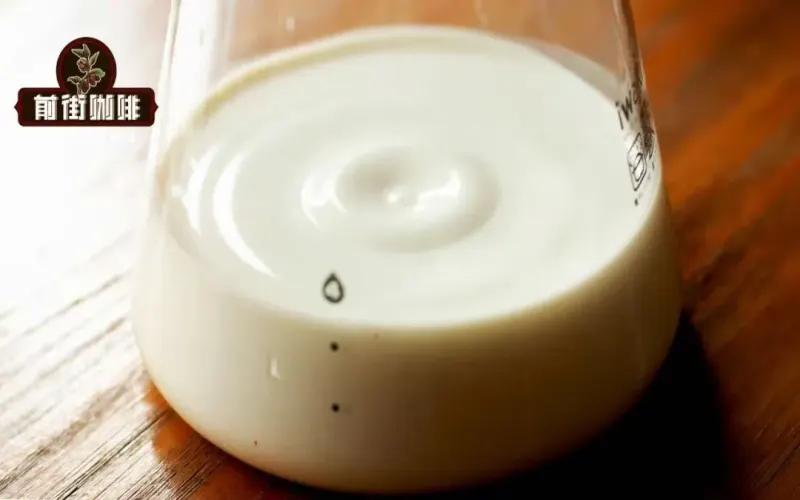
A Guide to Producing Purified Milk: Can Eisbock Be Used for Dirty and Lattes? A Full Analysis of the Freeze-Distillation Purification Method and Ratio Adjustments
Front Street has recently been sharing a lot about ice bock (concentrated milk), and quite a few friends are curious about how it actually differs from milk coffee made with regular fresh milk. Simply put, concentrated milk tastes richer and has a thicker mouthfeel. If you haven't tried it yourself, it's hard to imagine the texture, so you might as well make a cup and experience it. Besides buying ice bock online, you can also make it at home with just two steps: freezing and thawing. In this article, Front Street will break down in detail the principles of the freeze-concentration method, the key operational points, and separately explain the ratio strategies for using concentrated milk to make a Dirty and other milk coffees (such as lattes, flat whites, and cappuccinos)—for a Dirty, you can directly replace it in equal amounts, while for blended milk coffees, you need to adjust the amount of milk to avoid masking the coffee's flavor. It also retains product recommendations such as Front Street's classic blend and Queen's Estate SOE. [more…]

How Should the Milk-to-Espresso Ratio Be Set for a Latte? A Guide for Pairing Different Roast Levels with Hot and Cold Drinks
When making a latte at home, the step that most often trips people up isn't steaming the milk—it's not knowing exactly what ratio of coffee to milk to use. This article centers on the frequently asked question of "how much milk is appropriate," first explaining the balanced characteristics a good latte should have, then starting from the espresso extraction formula commonly used at Front Street Coffee, and combining the performance of coffee beans at different roast levels such as medium-dark and medium roast to break down the recommended ranges for coffee liquid and milk in both hot and iced drinks. The article will provide basic parameters such as a 1:2 coffee-to-water ratio and a 25–30 second extraction, and will also use specific cases like dark-roast Robusta, Sunflower·Warm Sun blend, and Huakui SOE to explain how to flexibly adjust between 1:4 and 1:8, helping coffee enthusiasts find a latte recipe that suits their taste more quickly. [more…]
The Correct Way to Mix Coffee with Milk: A Guide to Ratios, Suitable Coffee Types, and the Difference Between Fresh Milk and Pure Milk
The pairing of coffee and milk may seem simple, but it actually places strict demands on the coffee's own strength and flavor profile. Starting from the golden ratio of coffee to milk, this article explains why deep-roasted coffee with a bitter-leaning character is better suited to combining with milk than acidic coffee, and uses espresso and latte as examples to introduce the 1:6.5 blending scheme of Front Street Coffee Sunflower Warm Sun Blend and Vitasoy Fresh Milk. It also discusses whether pour-over coffee can have milk added, which types of pour-over are suitable for adding milk and the recommended amounts, and finally sorts out the five differences between fresh milk and pure milk in terms of shelf life, storage method, sterilization process, nutritional value and taste, helping coffee lovers find a cup that is smooth yet still retains coffee flavor. [more…]

The Authentic Standards and Golden Circle Preparation of Cappuccino: The Golden Ratio of Espresso, Milk, and Milk Foam, and the 11-Point Fullness Technique
Cappuccino is not simply a milk-foam coffee; it has three hallmarks that distinguish it from lattes, flat whites, and other milk coffees: a velvety mouthfeel, a rich coffee taste, and a "11-point full" serve. Starting from the core characteristics of a cappuccino, this article explains in detail the ratio of coffee to milk, the effect of milk-foam thickness on latte art and the golden ring, and, using a classic blend bean as an example, provides the complete extraction parameters and steps for making the golden ring, helping you make a standard cappuccino at home that is rich without being bitter and as velvety as a cloud. [more…]

Latte Recipe | How to Distinguish Cappuccino, Mocha, and Latte? What Is the Espresso-to-Milk Ratio for Making a Latte?
For more specialty coffee knowledge, please follow: Front Street Coffee (Frontsteet Coffee). Front Street bets that among all the coffee drinks made at home by those who own a coffee machine, milk coffee must be at the top, and among them, the latte is the "face" that is especially favored by everyone. Because [more…]

Latte Coffee Milk Ratio | What Kind of Milk Should Be Paired with Espresso Made from Medium-Dark Roasted Coffee Beans? Introduction to the Water-to-Coffee Ratio and Extraction Parameters for Milk Coffee Lattes
The arrival of autumn and winter has made hot lattes a favorite once again. After all, who wouldn't want to drink a cup of heartwarming coffee in the biting cold wind? And the key is that it's so sweet! Therefore, many friends have started making hot lattes at home. It is precisely because of this that Front Street's backend has received many messages from friends about making la [more…]

How Should the Espresso-to-Milk Ratio for a Latte Be Determined? Adjustment Approaches for Different Roast Levels and Hot vs. Cold Drinks
When making a latte at home, the question I get asked most often is what ratio of coffee to milk to use. Actually, there's no single standard answer to this question, because the beans' origin, processing method, roast level, and the flavor you ultimately want to present will all influence the choice of ratio. This article starts with espresso extraction, first explaining the extraction parameters suitable for medium-dark and medium roasts respectively, then, according to three types—dark-roast espresso beans, medium-dark roast blends, and floral-fruity medium-roast beans—gives specific ratio ranges for hot lattes and iced lattes, and combines Front Street Coffee's production examples to help you find the cup of latte that suits your taste. [more…]

Where Does the Bitterness in a Latte Come From? Analyzing the Key Effects of Milk-to-Coffee Ratio, Milk Foam Temperature, and Pouring Technique
Latte has always been considered the least bitter of espresso drinks, as the addition of a large amount of milk makes the overall flavor softer. But when you drink a latte with obvious bitterness, the problem may not lie in the espresso itself. This article starts with the choice of coffee bean roast level and gradually analyzes how the blending technique, milk frothing temperature, and the ratio of coffee to milk affect the final taste. It also introduces pairing suggestions for the Front Street Coffee espresso bean series, including the flavor characteristics of Strawberry Candy espresso, and provides a milk foam temperature range of 55°C to 69°C and a reference ratio of 1:5, helping you make a balanced and smooth latte at home. [more…]
How to Make a Delicious Latte? A Complete Breakdown from Ingredient Selection and Milk-to-Coffee Ratio to Blending Technique
A latte may seem simple, but it is the drink that best tests the skill of pairing coffee beans with milk. Why does a latte taste different at every shop? The key often lies in three areas: the quality of the ingredients, the ratio of coffee to milk, and the operational details of extraction and integration. Drawing on Front Street's practical experience, this article first discusses how to choose an espresso blend and fresh milk suitable for making lattes, then explains the approximate range of the coffee-to-milk ratio, and finally breaks down step by step the key points of espresso extraction, milk frothing, and pouring techniques to help you make a latte with balanced flavor and a velvety mouthfeel. [more…]

Insights on Making an Espresso Latte: A Complete Analysis from Ingredient Selection and Milk-to-Coffee Ratio to Key Operational Points
Latte is a required course for every barista. It seems that all you need to do is mix espresso with milk, but recreating a cafe-level drink at home is not easy. Based on Front Street Coffee's hands-on experience, this article systematically breaks down several key steps in making iced lattes: how to choose suitable coffee beans and milk, how to determine a reasonable milk-to-coffee ratio, and which easily overlooked details matter during operation. The article also introduces Front Street Coffee's classic espresso blend, as well as the specific ratio parameters for using Sunflower · Warm Sun Blend and Vitasoy fresh milk, helping enthusiasts consistently make a well-balanced iced latte at home. [more…]
How to Distinguish Cappuccino, Mocha, and Latte? A Detailed Guide to the Ratios of Espresso and Milk
Latte, cappuccino, and mocha all contain espresso and milk, but their styles and ratios differ noticeably. Starting from the flavor balance of a latte, this article explains how espresso extraction parameters affect the performance of a milk coffee, and compares the thick milk foam of a cappuccino with the sweet aroma of a mocha after chocolate is added. The article also combines beans such as Front Street Coffee's classic espresso blend, Huakui SOE, and Xizhua to provide coffee-to-milk ratio suggestions for hot and iced drinks under different roast levels, helping coffee enthusiasts find a pairing method that suits them when making cold brew at home. [more…]

How to make delicious lattes with different cup sizes? A complete adjustment approach from coffee-to-water ratio to milk pairing
When recreating a coffee shop latte at home, many people find that the taste is either too weak or too strong, but the problem often lies in the ratio of coffee to milk. Using Front Street's 300ml latte as a baseline, this article shares two approaches for adjusting cup size: one is to keep the ratio unchanged and adjust the dose and grind size in tandem; the other is to switch milk type or the number of espresso shots to suit different volumes. Whether you want to make a small cup or a large cup, the key is to rebalance the coffee strength and the amount of milk, rather than simply adding or reducing milk. [more…]

Why Is Cappuccino Not Suitable for Takeaway? A Detailed Explanation of Its Coffee-to-Milk Ratio and the Key Feature of Thick Milk Foam
Cappuccino, latte, and flat white are all espresso drinks, yet cappuccino is often left off café delivery menus. The reason isn't the difficulty of making it, but rather its signature thick milk foam, which dissipates rapidly during delivery, affecting both texture and portion size. This article approaches the topic from the definition of cappuccino, the ratio of coffee to milk, and the thickness of the milk foam, comparing the differences between latte and flat white, and explaining why coffee brands like Front Street Coffee insist on preserving a thick, substantial milk foam when making cappuccino. If you're curious about whether cappuccino can be delivered, or what its exact milk-to-espresso ratio is, this article will give you clear answers. [more…]